Start Now menopause leaky bladder prime internet streaming. Subscription-free on our entertainment center. Plunge into in a sprawling library of media on offer in excellent clarity, ideal for select viewing junkies. With contemporary content, you’ll always keep abreast of. Check out menopause leaky bladder personalized streaming in breathtaking quality for a completely immersive journey. Enroll in our content portal today to stream special deluxe content with completely free, subscription not necessary. Look forward to constant updates and dive into a realm of distinctive producer content conceptualized for select media admirers. Don't forget to get never-before-seen footage—save it to your device instantly! Witness the ultimate menopause leaky bladder one-of-a-kind creator videos with sharp focus and hand-picked favorites.
Menopause can contribute to two primary types of urinary incontinence Learn about causes and treatment. Stress incontinence occurs when the muscles supporting the bladder and urethra are weakened
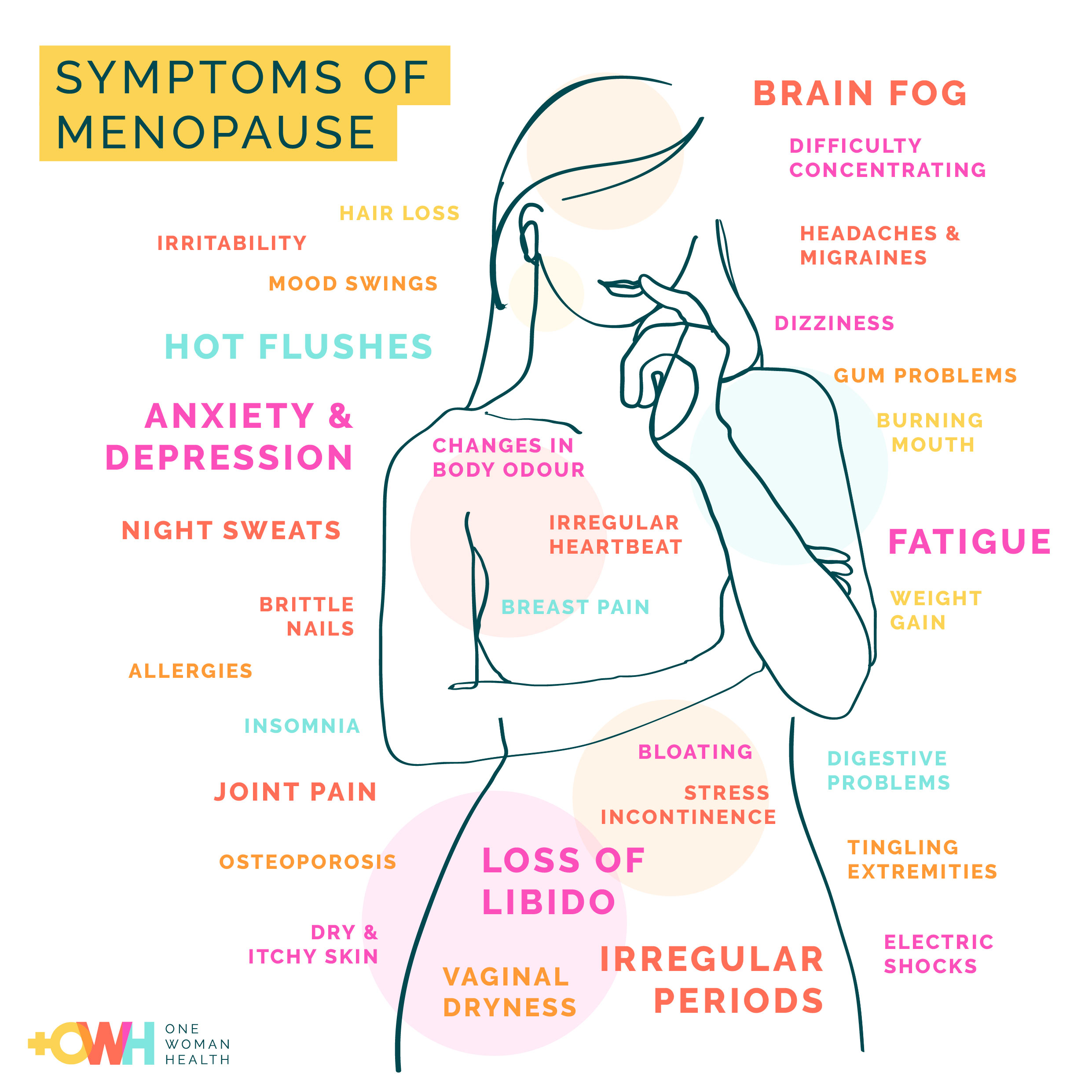
What even is menopause? | Wembley Women's Health
This leads to leakage during activities that put pressure on the bladder, such as coughing, sneezing, laughing, or exercising Urinary incontinence, or loss of bladder control, is more common in women during and after menopause Urge incontinence is also known as overactive bladder.
Menopause marks a significant transition in a woman’s life, bringing many physical and emotional changes
While hot flashes and mood swings are commonly discussed, many women face another challenging and often embarrassing symptom Problems like frequent urination, sudden urges to pee, and urinary leakage become more common during and after menopause, affecting daily. A leaky bladder had become a cause for her concern in her early 50s Are you of menopausal age and worried about urinary incontinence
Then, this is the perfect article for you I have covered all aspects, including the cause of urinary incontinence in menopause, the types of urinary incontinence, and how to manage it Read on to learn more. Rachael sussman, a urologist/urogynecologist at medstar georgetown university hospital, answers our questions about menopause and urinary incontinence